How the request reaches you
Verification is a check the college runs on selected FAFSA answers before it pays aid. The FAFSA Submission Summary may mention it, but the request itself usually appears in the college's student portal as a to-do item. Many colleges send these requests in January and February, after the first wave of forms has been processed.
Each college sets its own deadline for the documents, and aid waits until verification is finished. A senior who leaves it until spring may see an aid offer arrive late or marked incomplete.
The documents colleges usually ask for
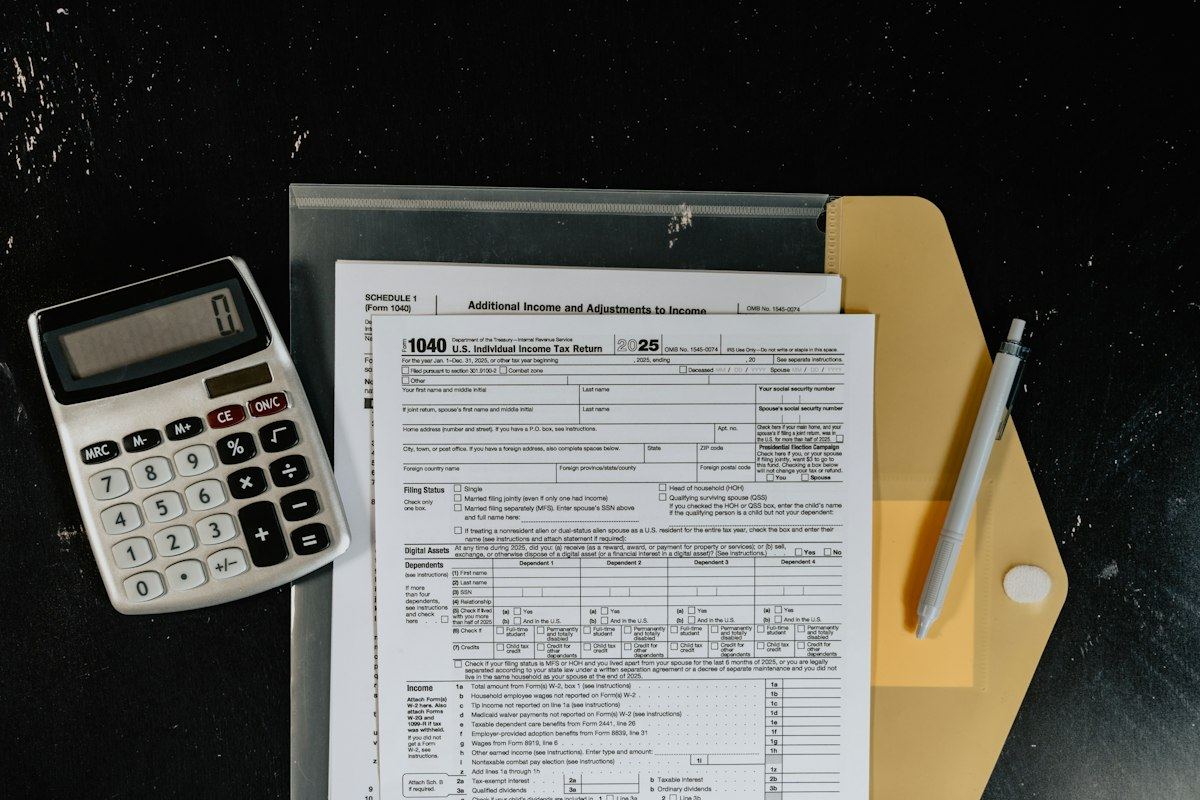
Most requests include a verification worksheet that confirms household size, the number of people in college and similar details. Many ask for tax information, which is often already covered when each contributor gave consent for the IRS transfer on the FAFSA. Some also ask for a statement from anyone who did not file a tax return, or proof of identity.
Read the request carefully and send exactly what it names, signed where it asks for a signature. Use the college's upload tool or the method it lists, and keep a copy of everything you send.
Read the request carefully and send exactly what it names, signed where it asks for a signature.
After you send the documents
The aid office compares the documents with the FAFSA and corrects any answer that differs. A correction can raise or lower the Student Aid Index, so the aid offer may be revised. The office sends a notice when verification is complete and the change, if any, appears in your portal.
If something requested does not exist or cannot be obtained, call the aid office before the deadline rather than leaving the item blank. The office decides what it can accept in place of a missing document.