All articles
Forty-eight articles, four for each month of the college money year. Filter by month or search the titles.
No article fits that search. Clear the box or pick All.
-
The week the FAFSA opens
The FAFSA for the next award year opens on or before October 1, and the first week is a calm time to start it.
- High school seniors
- College students
- Transfer students
- Going back to school
- Graduate students
-
StudentAid.gov accounts for every contributor
Each person on the FAFSA needs a StudentAid.gov account and must give consent, and October is the month to set them up.
- High school seniors
- College students
- Going back to school
- Graduate students
-
When the CSS Profile is due
The CSS Profile opens on October 1, and each college that uses it sets its own date, often close to its admission deadline.
- High school seniors
- College students
- Transfer students
-
Early applications and the aid forms that go with them
Early decision and early action rounds often close on November 1 or 15, and many colleges want their aid forms around the same day.
- High school seniors
-
Reading the FAFSA Submission Summary
Once the FAFSA is processed, the FAFSA Submission Summary shows your Student Aid Index and every answer you gave.
- High school seniors
- College students
- Transfer students
- Going back to school
- Graduate students
-
State aid dates to write down this month
States set their own aid dates, some as early as February, and November is a calm month to find yours and write it down.
- High school seniors
- College students
- Transfer students
- Going back to school
-
Scholarship deadlines that fall before the holidays
Many scholarship programs close in December, and asking for letters and transcripts before Thanksgiving keeps them on time.
- High school seniors
- College students
- Transfer students
- Going back to school
-
A net price check before an early decision
Running a college's net price calculator before an early decision deadline gives a family an estimate to weigh before signing.
- High school seniors
-
Early admission answers and the aid estimates beside them
Early decision and early action letters often land in mid-December, and the aid estimate may come with them or a few weeks later.
- High school seniors
-
FAFSA corrections to make before the new year
December is a quiet month to log back into the FAFSA, fix what is wrong and add colleges before January priority dates arrive.
- High school seniors
- College students
- Transfer students
- Going back to school
- Graduate students
-
Scholarship essays over winter break
Winter break is a good stretch for scholarship essays, since many programs close between December and March.
- High school seniors
- College students
- Transfer students
- Going back to school
- Graduate students
-
Spring term bills and the aid that pays them
The spring bill usually posts in December, and the aid that pays it arrives near the start of the term.
- College students
- Transfer students
- Going back to school
- Graduate students
-
College priority dates in January
Many colleges set aid priority dates in January and early February, often close to their regular decision deadlines.
- High school seniors
- Transfer students
- Going back to school
- Graduate students
-
The tax forms that arrive in January
W-2 forms and the Form 1098-T tuition statement are sent by January 31, and both belong in a folder you can find later.
- High school seniors
- College students
- Going back to school
- Graduate students
-
The spring refund and what it covers
When spring aid is more than the charges on your account, the college refunds the rest, and that money has to last the term.
- College students
- Transfer students
- Going back to school
- Graduate students
-
When the aid office asks you to verify
A verification request asks for documents before aid is paid, and answering it in winter keeps a spring offer on schedule.
- High school seniors
- College students
- Transfer students
- Going back to school
- Graduate students
-
State deadlines in late winter
Several states close their first round of grant money between February and April, and the FAFSA has to be in before that date.
- High school seniors
- College students
- Transfer students
- Going back to school
-
Filing a tax return as a student
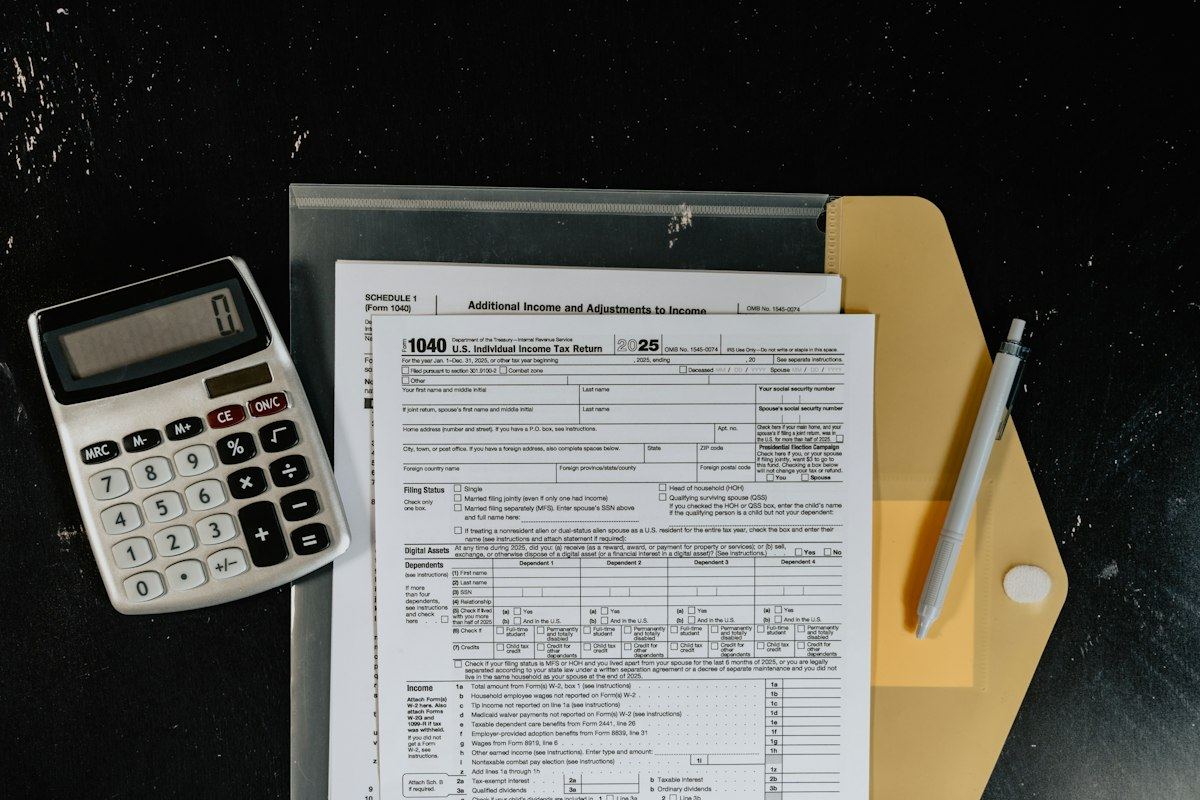
W-2s and the 1098-T have arrived, so February is a calm time to work out whether you file and what counts as income.
- College students
- Graduate students
- Going back to school
- High school seniors
-
Telling the aid office about a change at home
The FAFSA reads income from two years back, so a job loss or a death in the family since then is something to tell the aid office now.
- High school seniors
- College students
- Transfer students
- Going back to school
-
Applications for summer programs and summer work
Summer research spots, internships and campus jobs often open in winter and close by March, and summer classes need their own aid check.
- College students
- Transfer students
- Going back to school
- Graduate students
-
When aid offers arrive and what comes with them
Offers usually come with admission answers or soon after, along with portal tasks and a reply date set by each college.
- High school seniors
- Transfer students
- Graduate students
- Going back to school
-
Reading an aid offer line by line
An offer mixes gift aid, borrowed money and earnings, and the cost lines are part billed, part estimated.
- High school seniors
- Transfer students
- Going back to school
- Graduate students
-
Putting two offers side by side
Offers rarely use the same layout, so lining them up on one sheet in late March gives a fair look before May 1.
- High school seniors
- Transfer students
- Graduate students
-
Working out what is left after grants
Once grants come off the cost, the remaining amount has to come from savings, earnings, a payment plan or borrowing.
- High school seniors
- Transfer students
- Going back to school
- Graduate students
-
Asking a college to review your offer
April is the month to ask an aid office to look again, with papers that show what the offer could not see.
- High school seniors
- Transfer students
- Going back to school
-
Admitted student visits and the money questions to bring
Campus days for admitted students fill April, and they are a good time to ask the cost questions a brochure leaves out.
- High school seniors
- Transfer students
-
Housing applications and their dates
Housing contracts, room selection and lease signings bunch up in spring, each with its own date and cancellation terms.
- High school seniors
- College students
- Transfer students
- Graduate students
-
Accepting part of an offer and declining the rest
An aid offer is a set of separate pieces, and you can take some of them while you reduce or turn down others.
- High school seniors
- College students
- Transfer students
- Going back to school
- Graduate students
-
May 1 and the reply date
Many colleges ask admitted students to answer by May 1, and the days around it carry deposits, declines and aid steps.
- High school seniors
- Transfer students
-
Reporting outside scholarships to your college
Awards from local groups and foundations arrive in spring, and each one has to be reported to the aid office.
- High school seniors
- College students
- Transfer students
-
Spring grades and the progress rules for aid
Many colleges check aid progress once spring grades post, and the result decides whether aid continues in the fall.
- College students
- Transfer students
- Going back to school
- Graduate students
-
A summer plan so nothing slips before fall
Between the reply date and the first day of classes, a few forms and portal messages decide whether aid is ready in the fall.
- High school seniors
- Transfer students
- Going back to school
-
June 30 and the end of the award year
The federal FAFSA window for the award year now ending closes on June 30, and the aid office's own cutoff usually comes sooner.
- College students
- Transfer students
- Going back to school
- Graduate students
-
Orientation and the checklist in your student portal
Orientation dates fill the summer, and the portal's to-do list holds the aid steps that have to be finished before fall.
- High school seniors
- Transfer students
- Going back to school
-
Paying for a summer term
Summer classes can draw on year-round Pell and other aid left for the year, and each college sets its own summer aid steps and dates.
- College students
- Transfer students
- Going back to school
- Graduate students
-
Summer pay and next year's FAFSA
Pay from a summer job goes on this year's tax return, and a FAFSA that opens in October of next year is the one that reads it.
- High school seniors
- College students
- Going back to school
- Graduate students
-
July 1 and the new award year
On July 1 a new award year starts, yearly limits reset, and the FAFSA filed last fall begins paying for the coming terms.
- High school seniors
- College students
- Transfer students
- Going back to school
- Graduate students
-
The fall bill and its due date
Fall bills often post in July with a due date in August, and the bursar decides how aid still pending counts against them.
- High school seniors
- College students
- Transfer students
- Going back to school
- Graduate students
-
Payment plans from the bursar's office
A monthly plan from the bursar spreads the fall balance across the term, and signing up early usually means more installments.
- High school seniors
- College students
- Transfer students
- Going back to school
- Graduate students
-
Student health plan waivers and their deadlines
Many colleges bill the student health plan to anyone who misses the waiver deadline, even when other health coverage is in place.
- High school seniors
- College students
- Transfer students
- Graduate students
-
Aid steps to finish before classes start
The portal tasks that hold aid back in August, and how to clear each one before the first day of classes.
- High school seniors
- Transfer students
- Going back to school
- Graduate students
-
Course materials and how aid can cover them
How books and supplies fit into the cost of attendance, and the August dates that decide how you pay for them.
- High school seniors
- College students
- Transfer students
- Going back to school
- Graduate students
-
Finding a work-study job in the first weeks
Work-study jobs are often posted in the first weeks of the term and fill quickly. How to look, apply and start work early.
- High school seniors
- College students
- Transfer students
- Going back to school
- Graduate students
-
The add and drop period and your aid
Adding or dropping a class can change your aid. The points to check with the aid office before you click drop.
- College students
- High school seniors
- Transfer students
- Going back to school
- Graduate students
-
The census date and your enrollment status
Each college sets a census date when enrollment is counted for aid. What is locked in that day and what can still change.
- College students
- High school seniors
- Transfer students
- Going back to school
- Graduate students
-
The fall refund and a budget for the term
A fall credit balance has to last until spring. How refunds are paid and how to plan the weeks ahead.
- College students
- High school seniors
- Transfer students
- Going back to school
- Graduate students
-
Gathering what next year's FAFSA will ask for
The FAFSA for the next award year opens on or before October 1. The papers and accounts to gather in September.
- High school seniors
- College students
- Transfer students
- Going back to school
- Graduate students
-
The scholarships that open in the fall
Many scholarship programs open in late summer and fall and close between December and March. Start the list now.
- High school seniors
- College students
- Transfer students
- Going back to school
- Graduate students